
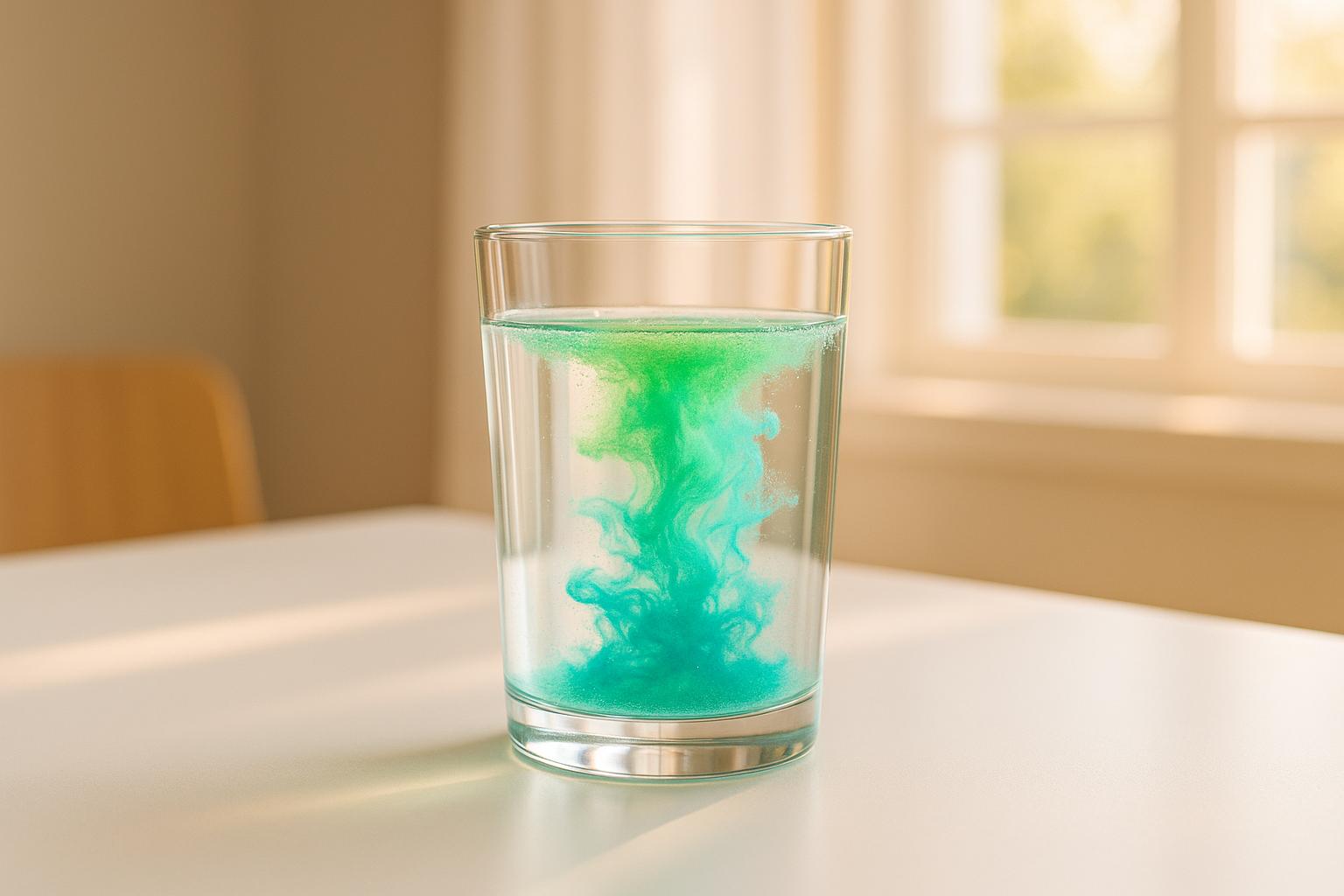
When you exercise, your body loses water and electrolytes through sweat, which can impact your cardiovascular performance. Electrolytes like sodium, potassium, magnesium, and chloride are essential for hydration, muscle contractions, and maintaining proper heart function. Here’s what you need to know:
- Sweat Loss: You can lose up to 2 quarts of fluid per hour during intense exercise, and sodium loss can range from 200 to 2,000 mg per liter.
- Performance Impact: Even a 2% fluid loss can increase your heart rate and reduce endurance.
- Electrolyte Imbalances: Low sodium can cause fatigue, muscle cramps, and even hyponatremia, while excessive sodium can strain your heart.
- Supplementation: Electrolyte drinks are most helpful during long workouts in hot, humid conditions but may not be necessary for shorter sessions.
To optimize performance, start hydrating 2–4 hours before exercise, drink 4–6 ounces of fluid every 15 minutes during long workouts, and replenish lost electrolytes after exercising. Tailor your hydration plan based on your sweat rate, workout intensity, and environmental factors.
The Science Behind Sodium and Electrolytes in Exercise Hydration
What Are Electrolytes and Why Do They Matter for Cardio?
Electrolytes are minerals with an electrical charge that play a crucial role in keeping your body functioning during cardio. They’re essential for hydration, muscle contractions, nerve signaling, and regulating blood pressure. The most important electrolytes – sodium, potassium, magnesium, and chloride – work together to ensure your body performs at its best during exercise.
Think of electrolytes as the electrical wiring in your body. They keep your heart beating, muscles contracting, and nerves firing. If this balance is thrown off, it can reduce the efficiency of oxygen and nutrient delivery to your muscles, making your heart work harder to keep up.
During cardio, electrolytes help maintain proper blood volume and pressure while managing how water is distributed and retained in your cells. If these minerals become unbalanced, your performance can take a hit. Let’s break down how each one supports your cardio efforts.
How Each Electrolyte Works During Cardio
- Sodium: Acts as the main regulator of fluid balance, controlling how water moves between your blood and cells. It also supports nerve signal transmission, ensuring smooth communication between your brain and muscles.
- Potassium: Works closely with sodium to keep muscle contractions steady and maintain a consistent heart rhythm. It ensures that electrical signals in muscle cells are generated without interruption.
- Magnesium: Helps produce energy by acting as a cofactor in enzymatic reactions. It also aids in muscle relaxation between contractions and supports healthy blood pressure by improving vascular function.
- Chloride: Teams up with sodium to maintain fluid balance and blood pressure. It also helps regulate pH levels in your blood, which is especially important as your body produces acids during extended exercise.
During cardio, you lose these electrolytes through sweat, making it essential to replace them to stay hydrated and keep your performance on track.
Sweat Loss and Electrolyte Depletion
Sweating during exercise disrupts the delicate balance of fluids and electrolytes in your body. Sweat isn’t just water – it’s a mix of electrolytes, and the composition can vary depending on your fitness level, genetics, and environment. For example, trained athletes often produce more diluted sweat, even though they lose more fluid overall.
Sweat rates can differ widely. Some people lose only small amounts, while others can lose several liters per hour, especially in hot, humid conditions. If you’re someone who sweats heavily, you’re at a higher risk of depleting electrolytes faster than your diet can replenish them.
As your workout continues, the balance of fluids and electrolytes shifts. Early on, sweat loss is mostly water, but over time, the loss of minerals like sodium and potassium becomes more pronounced. This is why hydration strategies for cardio focus on replacing both water and electrolytes to prevent fatigue and maintain performance.
Sodium Balance and Cardiovascular Performance
Sodium plays a vital role in keeping your cardiovascular system running smoothly, especially during exercise. It helps regulate blood volume, blood pressure, and stroke volume – key factors for efficient heart function. When sodium levels are off, your heart has to work harder, reducing its ability to deliver oxygen and nutrients to your muscles. This isn’t just about avoiding cramps; it’s about ensuring your heart can keep up with the demands of physical activity.
Research on Sodium Loss During Cardio Workouts
How much sodium you lose during a workout depends on a mix of factors, including how hard and long you exercise, as well as your environment. For instance, warmer temperatures and high humidity can lead to greater sodium loss compared to cooler, drier conditions. This is especially relevant for those who use treadmills or stationary bikes in warm or poorly ventilated spaces.
On top of that, individual differences matter a lot. Genetics, training levels, and how well your body has adapted to heat all influence how much sodium you lose. Because of this, athletes doing long cardio sessions in tough conditions might benefit from tailoring their sodium intake to match their personal needs.
The Risks of Sodium Imbalance
Sodium imbalances can pose serious risks. If your sodium levels drop too low compared to your water intake – a condition called hyponatremia – you might experience headaches, nausea, confusion, or even seizures. On the flip side, too much sodium, though less common, can put extra strain on your cardiovascular system.
Athletes who only drink water during long endurance activities are at a higher risk of developing hyponatremia. On the other hand, maintaining the right sodium balance can help stabilize your heart rate and even make exercise feel less taxing. There’s also evidence that chronic sodium imbalances might affect heart rate variability, which reflects how well your heart adapts to physical stress.
Interestingly, sodium imbalances that occur early in a workout could have a bigger impact on performance than those that develop later. This highlights the importance of starting your cardio session with proper sodium levels instead of trying to fix the issue mid-workout.
Do Electrolyte Supplements Improve Cardio Performance?
Electrolyte supplements can enhance performance, but it largely depends on the circumstances. Research paints a mixed picture: in some cases, supplementation proves helpful, while in others, it offers little to no advantage. Let’s break down the findings.
Studies Supporting Electrolyte Supplementation
Research shows that electrolyte supplements can be particularly useful during prolonged exercise, especially in hot and humid conditions where sweat loss is significant. Athletes engaging in extended workouts have reported better endurance and lower levels of perceived exertion when using electrolyte-enriched drinks. This suggests that replenishing electrolytes when the body’s stores are depleted can help maintain cardiovascular and muscular function, making it easier to push through tough sessions.
Studies Showing No Benefits from Supplementation
On the flip side, several studies have found no consistent performance gains from electrolyte supplementation. For shorter workouts or activities in cooler, less humid environments, there’s often no noticeable difference between athletes drinking electrolyte beverages and those sticking to plain water. Well-trained athletes, in particular, tend to regulate electrolytes naturally, reducing the need for extra supplementation. In some cases, over-supplementation has even led to stomach discomfort, which can hinder performance during moderate exercise.
Comparison of Study Findings
The conflicting findings highlight several factors that determine whether electrolyte supplements are effective:
- Exercise duration: Longer workouts show more benefit.
- Environmental conditions: Hot, humid weather increases electrolyte loss.
- Individual physiology: Sweat rates vary from person to person.
- Timing: Starting supplementation early is more effective than waiting to replenish later.
These insights show that electrolyte supplements aren’t a universal solution. They can, however, improve performance and comfort for those tackling long or intense cardio sessions, particularly in challenging environments. To decide if supplementation is right for you, consider the intensity, duration, and conditions of your workout.
sbb-itb-9317277
Hydration Strategies for Electrolyte Balance in Cardio
Staying properly hydrated is key to getting the most out of your cardio sessions and recovering effectively. Let’s explore how to manage hydration before, during, and after a workout to maintain electrolyte balance and support your performance.
Pre-Workout Hydration and Electrolyte Preparation
Your hydration game starts well before you step onto the treadmill or hit the trail. Ensuring you’re hydrated ahead of time can improve cardiovascular efficiency and help prevent electrolyte imbalances. Aim to drink water consistently in the hours leading up to your workout. If you’re planning a longer or more intense cardio session, consider adding electrolytes to your pre-workout fluids. This is especially important for early morning workouts, as your body may be slightly dehydrated from overnight losses, or if you’re exercising in warm conditions where sweating increases.
Hydration During Cardio Exercise
Once you’re in the middle of your workout, staying on top of hydration is just as important. For longer sessions, drinking fluids with electrolytes at regular intervals can help maintain your performance. Don’t wait until you’re thirsty – by that point, dehydration might already be setting in. Instead, establish a routine of sipping fluids throughout your session. A simple way to monitor hydration is by checking the color of your urine before or after exercise; pale yellow indicates you’re likely well-hydrated.
Post-Workout Recovery and Rehydration
After your workout, it’s time to replenish what you’ve lost. Rehydrating effectively means replacing both fluids and electrolytes. Many recovery drinks combine carbohydrates and electrolytes to speed up rehydration, but you can also mix water with a pinch of salt and pair it with potassium-rich foods like bananas. Starting this process as soon as you finish exercising can make a big difference, as your body is more efficient at absorbing fluids during this time.
By following these hydration strategies, you can keep your electrolyte levels in check and support consistent cardio performance.
For more detailed tips and research on hydration and cardio, check out Indoor Cardio Pro (https://indoorcardiopro.com).
Individual Electrolyte Needs Based on Personal Factors
Fine-tuning your electrolyte intake based on personal factors can take your cardio performance to the next level. Since sweat and electrolyte loss vary from person to person, understanding what your body needs can help you create a more effective hydration and nutrition plan.
Factors That Affect Electrolyte Needs
Your body size and composition play a big role in determining your electrolyte requirements. Larger individuals tend to have more blood volume and lose more electrolytes through sweat during long cardio sessions. For instance, a 200-pound runner will typically need more electrolytes than someone weighing 130 pounds because of the difference in total body fluid volume.
Your fitness level also matters. Seasoned athletes often develop more efficient sweat mechanisms, conserving electrolytes better than those who exercise recreationally. However, because they tend to work out harder and longer, their overall electrolyte losses can still be significant.
Sweat rates vary greatly from person to person. Genetics, fitness, and how well you’ve adapted to heat all influence how much you sweat and, in turn, how many electrolytes you lose.
Speaking of heat, heat acclimatization is another key factor. When you’re first exposed to hot conditions, your body tends to lose more sodium. But after about 10 to 14 days of heat exposure, your sweat becomes less salty, helping you retain sodium while still cooling your body effectively. This adaptation can reduce the need for aggressive electrolyte replacement over time.
Finally, training intensity and duration directly impact how much you lose. The harder and longer you train, the more electrolytes you’ll need to replenish.
Identifying and Managing Electrolyte Imbalances
Once you understand these factors, you can better manage your electrolyte intake. Watch for signs of imbalance and adjust your approach as needed. For example, muscle cramps, often starting in the calves or hamstrings during or after exercise, can indicate sodium depletion – even if you’ve been drinking plenty of water.
If you’re feeling excessively fatigued, it might not be a lack of fitness but rather a shortage of potassium or magnesium. Similarly, changes in your heart rate, such as an elevated resting heart rate or difficulty recovering between intervals, could point to an electrolyte issue affecting your cardiovascular performance.
To manage these imbalances, you can estimate fluid loss by weighing yourself before and after exercise. Each pound lost equals roughly 16 ounces of fluid. If you’re losing more than 2–3% of your body weight during a session, you’ll likely need to step up your electrolyte replacement.
Adjust your strategy based on the conditions. Indoor workouts in air-conditioned spaces might require less electrolyte replacement than a run outside in 85°F heat and humidity. Similarly, morning sessions might call for a different approach than evening workouts, especially if you haven’t eaten much earlier in the day.
Finally, pay attention to how your body responds. Track how you feel during different types of workouts and under various conditions. Some people might need electrolyte supplements for workouts longer than 45 minutes, while others do fine with just water – even for sessions lasting 90 minutes. Over time, this self-monitoring will help you refine your hydration and nutrition plan.
Key Takeaways on Electrolytes for Cardio Performance
Even a 2% loss in body fluid can negatively impact your cardiovascular performance and increase health risks. To put that into perspective, for every 1% of fluid lost, your heart rate can climb by 3–5 beats per minute.
To counteract this, proper hydration is key. Start hydrating 2–4 hours before your workout by drinking 0.07–0.14 ounces of fluid per pound of body weight. For example, a 150-pound person should aim for about 10.5–21 ounces. If your workout lasts longer than an hour, drink 4–6 ounces every 15 minutes. In conditions where you’re sweating heavily or it’s particularly hot, consider adding 300–600 mg of sodium per hour to your hydration routine.
Hydration needs vary greatly depending on factors like body size, fitness level, and sweat rate. Some athletes can lose as much as 2 quarts of fluid per hour during intense cardio. However, the body typically absorbs 400–800 mL of fluid per hour during exercise.
Electrolyte requirements are just as variable. Sweat can contain anywhere from 200 to 2,000 milligrams of sodium per liter, meaning sodium replacement strategies should be tailored to your personal sweat composition.
For shorter indoor cardio sessions (under 60 minutes) in a comfortable environment, water alone is usually enough. On the other hand, for longer workouts, outdoor sessions, or high-intensity training, incorporating electrolytes can help maintain your performance. Since everyone’s hydration needs differ, it’s important to adjust your strategy based on the intensity of your exercise, the environment, and how your body feels.
FAQs
How do I figure out how much electrolytes I need during cardio workouts?
Your electrolyte requirements during cardio depend on several factors, including how much you sweat, the intensity and duration of your workout, and the environment you’re exercising in. For sessions lasting less than an hour, your body usually has enough electrolytes stored to get you through. But when workouts go longer or become more intense, it’s a different story. In those cases, sipping 3–8 ounces of a sports drink containing 6–8% carbohydrates and electrolytes every 10–20 minutes can help replace the sodium and other minerals you lose through sweat.
Many active individuals aim for a daily sodium intake of about 500–1,000 mg, but this can vary depending on personal sweat rates and activity levels. To fine-tune your electrolyte balance, keep an eye on your hydration and, if needed, consult a healthcare professional for tailored recommendations.
What are the signs of an electrolyte imbalance during exercise, and how can I prevent or address it?
When exercising, signs of an electrolyte imbalance can show up as muscle cramps, fatigue, dizziness, irregular heartbeat, nausea, or even confusion. These issues happen when your body loses key minerals like sodium, potassium, and magnesium – often due to sweating.
To counter this, make sure to hydrate with drinks that include electrolytes, especially if you’re working out intensely or in hot, humid weather. Adding foods like bananas, oranges, or nuts to your diet can also help replenish these essential minerals. Pay close attention to how your body feels during exercise and tweak your hydration and nutrition to keep yourself performing at your best.
When should I use electrolyte supplements instead of just water during cardio workouts?
If your cardio sessions last over an hour and involve moderate to high intensity, especially in hot or humid conditions, consider adding electrolyte supplements to your routine. These supplements can restore key minerals like sodium, potassium, and magnesium – essential nutrients lost through sweat that plain water can’t fully replace.
By replenishing electrolytes, you can ward off dehydration, avoid muscle cramps, and reduce fatigue, allowing you to stay hydrated and perform at your best during longer or more demanding workouts.